

Comprehensive Wellness Package
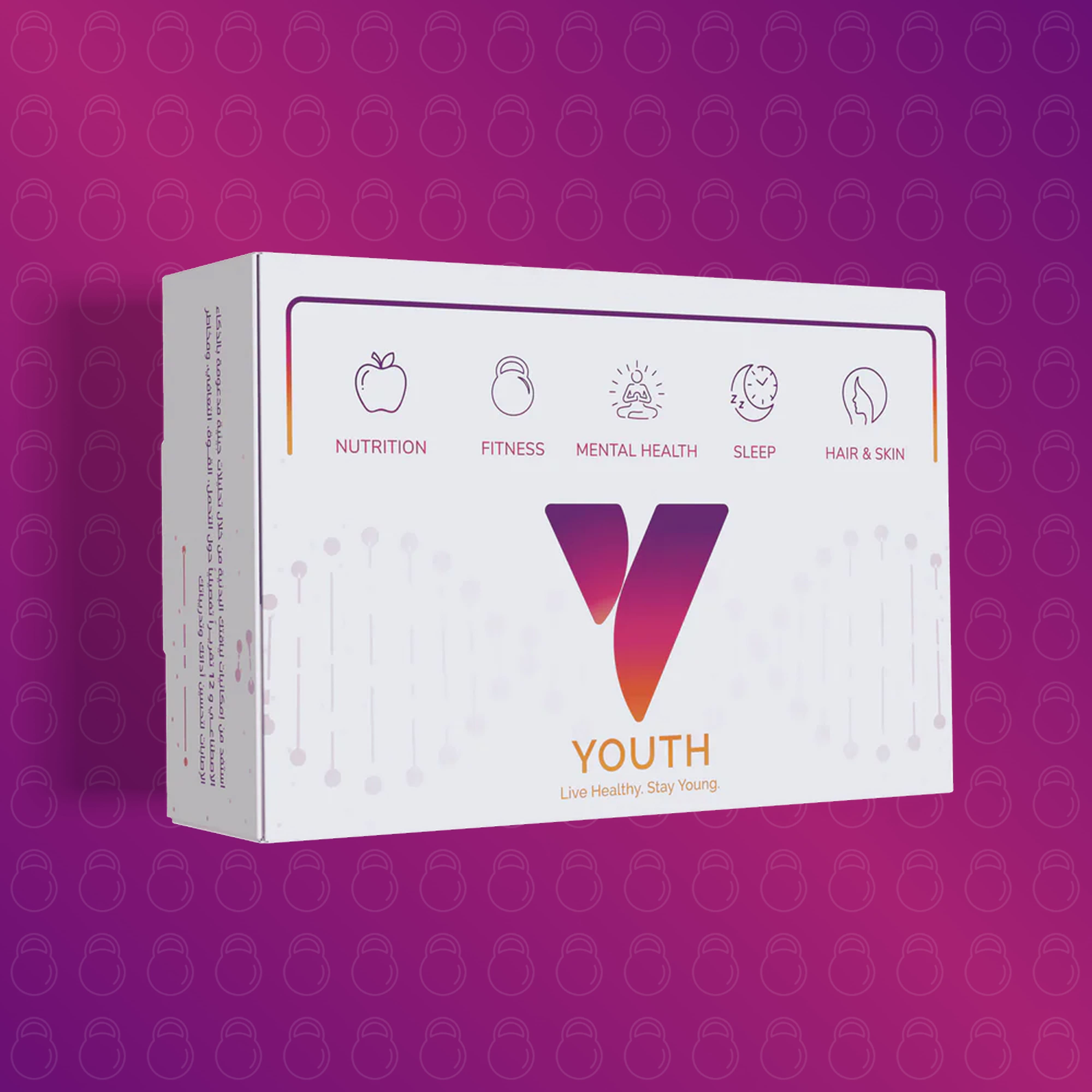
Enjoy comprehensive wellness with our genetic testing package, which includes nutrition, fitness, mental health, and skin and hair health.


Whether you're a professional athlete or simply looking to achieve peak physical condition, your genes hold the key to your true potential. With our fitness package, you'll receive a detailed analysis of your endurance, muscle-building capacity, recovery speed, and injury susceptibility to optimize your training regimen and achieve outstanding results.

Comprehensive and personalized recommendations
Get comprehensive recommendations to optimize your exercise regimen to suit your genetic makeup.

Get the most out of your workouts
Discover how your body responds to different training regimens.

Injury prevention
Discover the genetic factors that may increase your susceptibility to exercise-related injuries, in order to take appropriate preventative measures.
If you have any questions, you are always welcome to contact us. We'll get back to you as soon as possible, within 24 hours on weekdays.
Shipping Information
Use this text to answer questions in as much detail as possible for your customers.
Customer Support
Use this text to answer questions in as much detail as possible for your customers.
FAQ’s
Use this text to answer questions in as much detail as possible for your customers.
Contact Us
Use this text to answer questions in as much detail as possible for your customers.

The fitness package provides insights into your athletic performance. By identifying how your genes influence your strength, endurance, and recovery ability, you'll discover which sports and activities are best suited for you. You'll also learn how your body responds to aerobic training, how exercise affects your heart rate, and how quickly you recover after workouts, allowing you to optimize your training intensity and recovery strategies.
In addition, you'll learn how to build muscle and stay properly hydrated during your workouts. The report also provides tips to help you avoid exercise-related injuries, such as muscle cramps, knee problems, and Achilles tendon injuries, allowing you to improve your performance and achieve optimal results.
This part assesses your foundational genetic predispositions for key components of athletic performance: endurance, strength, and power potential. Each trait represents your body’s natural capacity in a specific area.
How to Use This Part: By understanding your natural tendencies in these areas, you can tailor your training to align with your strengths. For example, if you have a high endurance potential, incorporating long-distance cardio into your routine may suit you well. If your strength potential is high, weightlifting or resistance training could be a beneficial focus. This section helps you make informed decisions on which types of exercises may best support your fitness goals.
This part focuses on your body’s expected response to different types of exercise, aerobic training, and your ability to recover. Understanding these responses can help you plan a balanced and sustainable training routine.
How to Use This Part: By understanding your heart response to activity and recovery rate, you can optimize your training intensity and recovery strategy. If your aerobic training effects and heart response are high, moderate to high-intensity cardio could be effective for cardiovascular conditioning. Alternatively, if your recovery rate is lower, incorporating rest days or active recovery into your routine will support sustainable progress. This section offers insights to help you maximize your performance while minimizing the risk of overtraining.
This part provides insights into how your body is naturally inclined to build and support muscle and manage hydration. These traits can help you make strategic adjustments to your training and hydration routines.
How to Use This Part: Knowing your tendency to gain muscle can help in setting realistic strength and physique goals, while understanding hydration ability can inform your hydration strategy during workouts, especially in high-intensity or outdoor settings. With these insights, you can optimize your physical training environment, adjust your exercise hydration practices, and tailor your fitness routine to fit your body’s natural characteristics.
This part evaluates your genetic predisposition to common sports-related injuries, such as muscle cramps and joint issues. By understanding your susceptibility in these areas, you can take preventative steps to minimize injury risks and maintain a consistent exercise routine.
How to Use This Part: Understanding your injury risks allows you to incorporate specific warm-up routines, strength training, and supportive practices to minimize vulnerabilities. These insights support a safer, longer-lasting approach to physical activity and training. For example, if you have a high risk for knee injuries, strengthening surrounding muscles and maintaining proper form can help mitigate that risk. By recognizing areas of potential vulnerability, you can make adjustments that reduce injury risk and support long-term physical health and exercise sustainability.
At the end of your fitness report, you will receive a detailed and tailored training plan designed specifically to align with your unique genetic profile. This plan takes into account your natural strengths and areas for improvement, ensuring that your workout routine is not only effective but also sustainable. The program focuses on optimizing your performance across key fitness domains, including power, strength, endurance, aerobic conditioning, muscle gain, hydration, and injury prevention.
The program is crafted to progressively challenge your body in a way that is safe and aligned with your genetic tendencies. It begins with foundational exercises that match your current fitness level, allowing for gradual improvements over time. As your body adapts, the program will increase in intensity, helping you continue to see progress without risking overtraining or injury.
Ultimately, this personalized training plan is your roadmap to achieving your fitness goals in the most efficient and sustainable way possible, with workouts, recovery strategies, and hydration practices tailored to your body’s unique genetic makeup. With this plan, you’ll be able to train smarter, recover faster, and reach your full potential while minimizing risks and maximizing long-term health benefits.
We translate your genes into insights that help you balance your diet, fitness, and beauty, for a healthier life every day.
Enjoy comprehensive wellness with our genetic testing package, which includes nutrition, fitness, mental health, and skin and hair health.

Discover the exercise regimen that best suits your genetics, to achieve optimal results.

Use your genes to create a diet that perfectly suits you, to maintain your health, increase your energy, and achieve ideal balance.

Get the right skincare and haircare recommendations to enjoy healthy skin and strong hair.